I was in Rome. On my first trip in a very long time. And travel, I think, always comes with a quiet demand for transformation. If you have moved from one place to another, you are expected to return changed. More fulfilled, more narratable, more worthy of the costs you paid just to spend a moment elsewhere.
Here, though, “I was” remains the most precise and the most pitiful verb. I was there, meaning: my body had simply been delivered to the location. It had been transported to a city of ruins, marble, saints, fountains, and people with penises I might have desired, had my nervous system not declared a state of emergency. I crossed a geographical border, while internally I arrived mostly at another layer of my own exhaustion.
I arrived with the last residue of belief that Rome, porn, the festival, unfamiliar streets and unfamiliar gazes might still activate the version of life in me that does more than merely persist. That desire could be summoned by changing cities. That if the body were moved into a setting with the right symbolic temperature, it might remember what skin had once been for.
It did not remember.
Instead of sex tourism, I spent the week practicing sleep tourism. Instead of another person’s body, I recovered my own in the least spectacular form possible: through sleep, heaviness, sinking into the mattress, the daily capitulation of my eyelids. I experienced Rome from the side of a solitary bed and sheets damp with the sweat of exhausted sleep and somnambulistic tears. I learned by heart the layout of the guest room, the bathroom, and the floor, where a pile of clothes weighed down the space — clothes I had packed for a better, livelier, unmistakably more useful version of my stay.
Rome pulsed beyond the wall. I remained on the other side, horizontal, in the position where the body stops pretending it still has the strength to perform meaning. It chose the most scandalous form of presence: no further readiness.
And yet it should have been ready. I felt so strongly that, since I was already there, I had to do something with it. Extract meaning. Use the opportunity. Come back with proof that my presence had been properly processed.
Capitalism colonizes even rest and desire. Every experience is expected to yield a return. Sleep, wonder, gratitude, libido, an award, borrowed money, one’s own presence — everything is entered into the internal bookkeeping of obligation. In this economy, even pleasure arrives with a productivity requirement. You are supposed to be actively grateful. You are supposed to repay the world for the cost of your own existence.
The more ashamed I feel of that sleep inside sleep — heavy, wet, detached from any recognizable form of regeneration toward action — the more clearly I see its revolutionary force. I slept suspiciously, unattractively, unproductively. The way an organism sleeps after being treated as a resource for too long. I woke only to drink a double espresso and go back to sleep.
That sleep rebuilds something older than agency: the possibility of being in a body without immediately calculating its worth. Activity is sometimes inaccessible. Lying down does not have to lead to action, withdrawal does not have to pay off, a pause does not have to return to the world as increased efficiency.
Sleep leaves remnants inside. It protects the remnants. It says: you will still need this in order to live. It offers a threshold, a boundary, a minimum. A place where the body stops being an instrument for further use. Maybe one day movement will become possible from there. Or maybe it will not. Rome merely gave this condition a form. Because for two years now, I have mostly been sleeping, still just as exhausted, and perhaps there is some value in this form of life too.
In the meantime, I received an award.
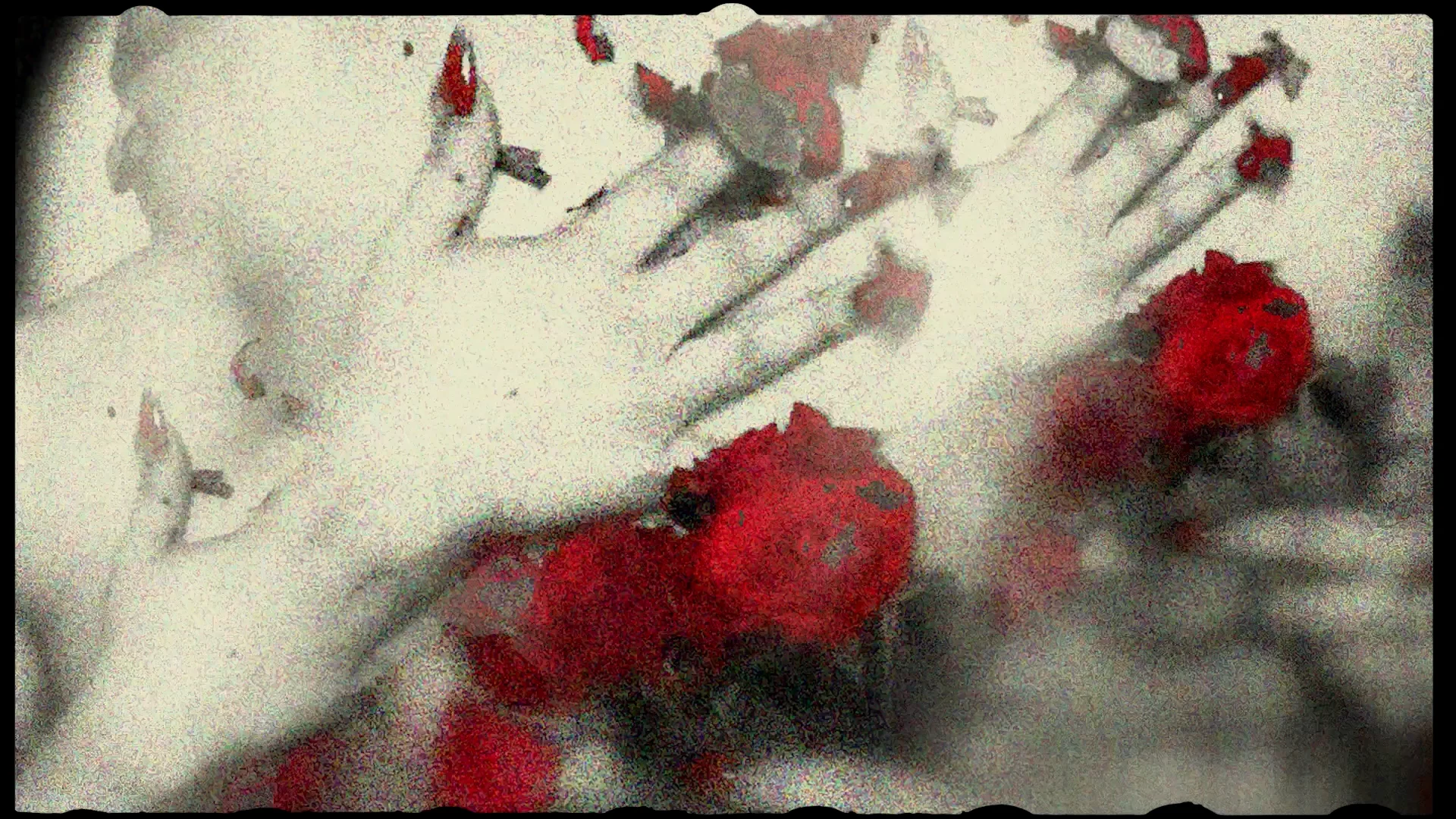
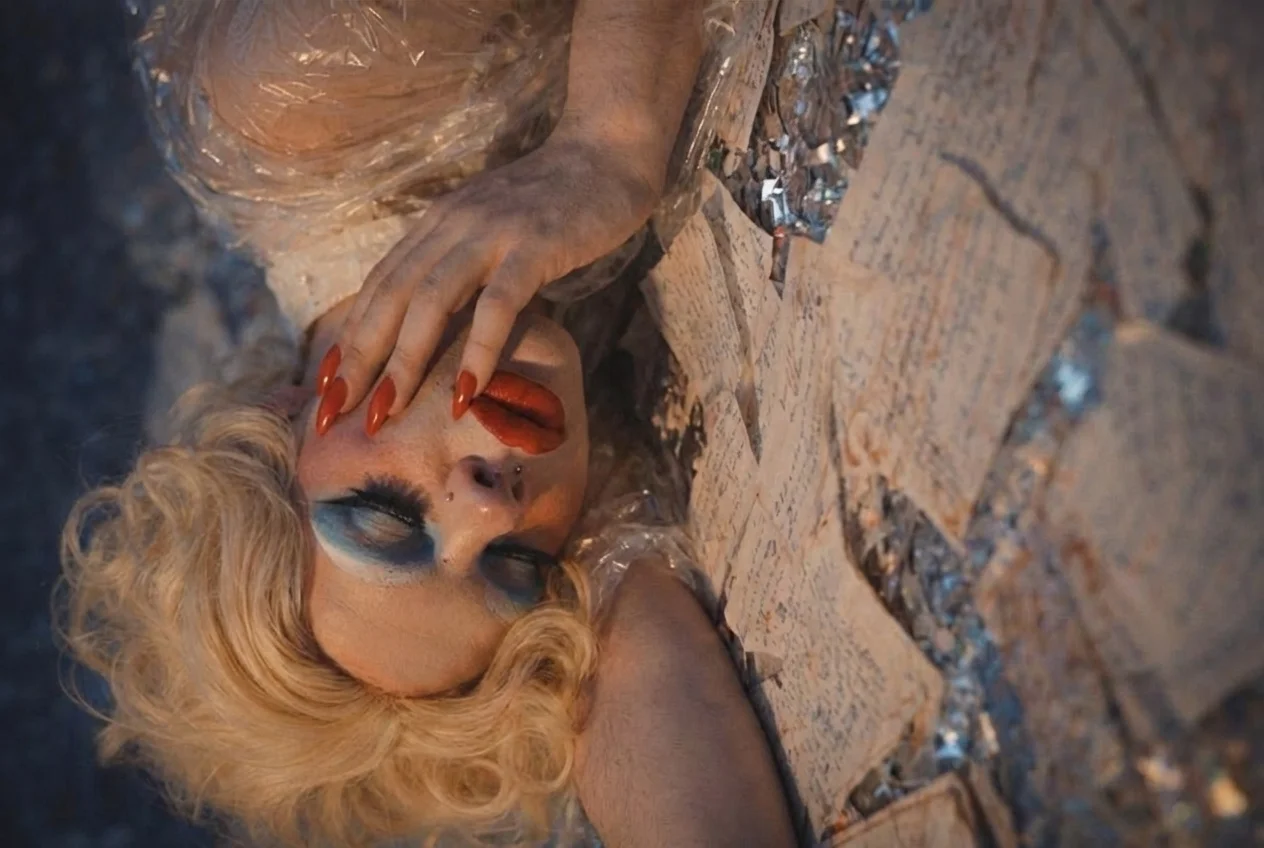
For my film Fucking with Marilyn. A Special Mention for Artistic Contribution. Nice. Truly. Someone saw it, named it, said that what I make matters beyond my private madness. That is a lot. And at the same time, it hurts like hell.
Because it reveals most of the futures that were refused to me. Because it illuminates all the labor poured into things that are supposed, one day, to create the conditions for the things I am now making without conditions. This idiotic circulation: I make work so I can keep making work. I contribute more so that, one day, I might stop contributing from my own depletion. I put in my body, time, sleep, debt, and the remnants of faith into something that may one day graciously be called stability, while today it remains another attempt to keep my own work alive.
Artistic contribution.
Beautiful. And cruelly precise. Because a contribution is always something taken from somewhere. From sleep. From money I do not have. From a future self who is expected to repay all the previous versions of me. From a body that still functions, so the system assumes it can take more from it.
And now I am in Warsaw.
I sleep when the body regains authority. I work when obligation sits me back down at the table. Sleep does not ask who I am. Work asks constantly.
I may be attention-seeking, demanding, shameless, hysterical. I do not care. If that is meant as an accusation, I accept it as a compliment. Because perhaps attention is precisely what people working without support are denied: the right to be noticed without immediate shaming. Perhaps being demanding is only another name for remembering that work should come with conditions. Perhaps shamelessness begins where I stop performing gratitude for the mere possibility of continuing to wear myself out. And hysteria? Hysteria is often a body telling the truth louder than it is supposed to.
I was in Rome. I received an award. I am in Warsaw.
Contribution says: more. Obligation says: continue. Sleep says: nothing else.
Between these sentences lies a body that tried, through sleep, to say: enough.